
Understanding Invisalign Compliance and Why Wearing Time Directly Impacts Your Final Results
The Foundation of Successful Clear Aligner Treatment
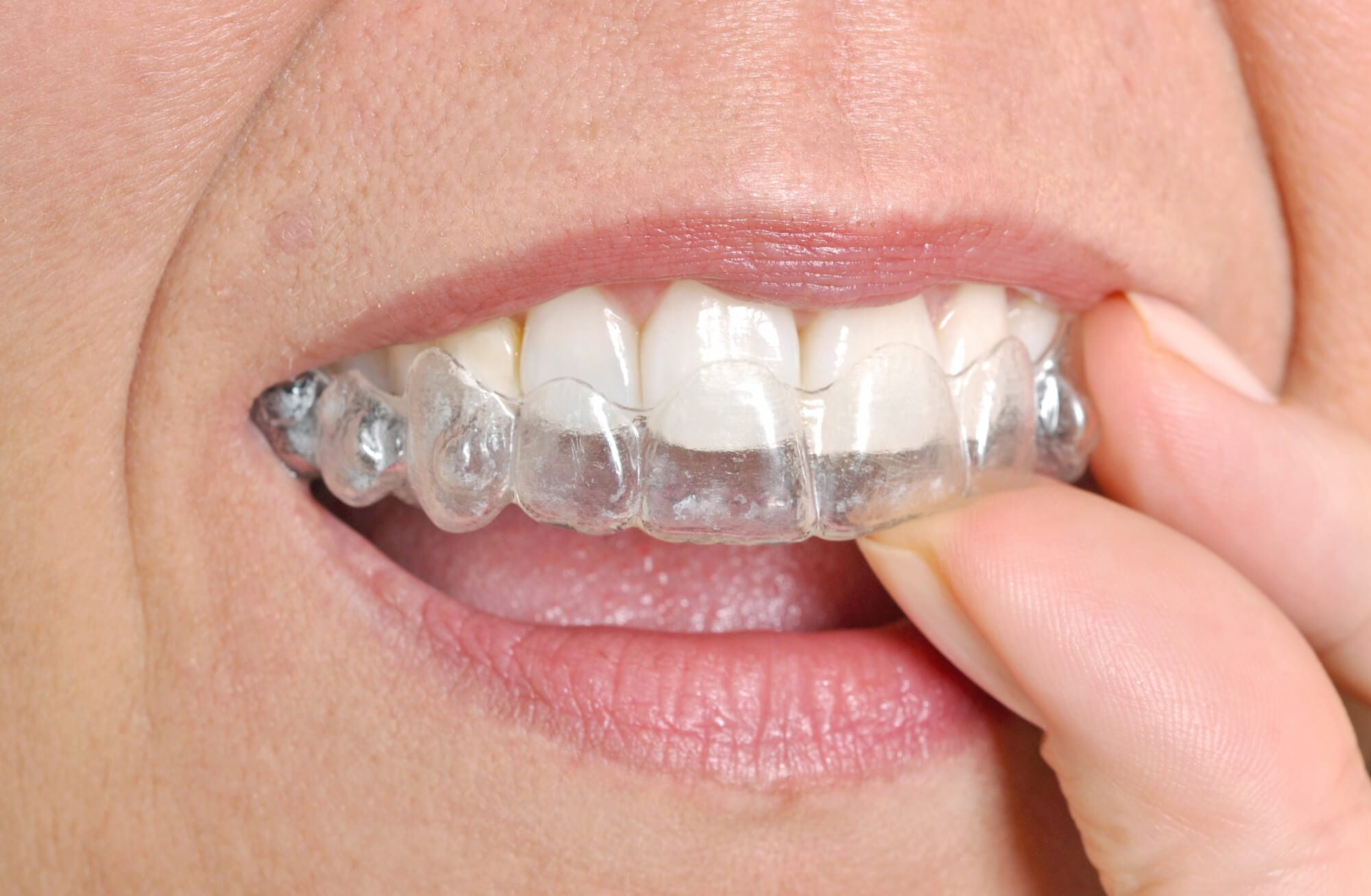
Invisalign Limerick has revolutionised orthodontic treatment, offering patients a discreet alternative to traditional metal braces. However, the success of this innovative approach hinges entirely on one critical factor: patient compliance. Unlike fixed braces that work continuously without requiring active participation, clear aligners demand dedication and discipline from those seeking a transformed smile. The relationship between wearing time and treatment outcomes is not merely correlational; it is fundamentally causal, with each hour of wear contributing directly to the gradual repositioning of teeth.
When patients embark on their journey with Invisalign Limerick, they receive comprehensive guidance about the commitment required. The aligners function through controlled force application, gently shifting teeth into their predetermined positions over time. This biological process requires consistent pressure to trigger the cellular responses necessary for bone remodelling. Without adequate wearing time, these processes simply cannot occur at the rate required for treatment to progress as planned.
The Science Behind the 22-Hour Rule
Orthodontic professionals typically recommend wearing clear aligners for 20 to 22 hours per day, and this specific timeframe is far from arbitrary. The recommended wear time for Invisalign clear aligners is based on extensive research into how teeth respond to orthodontic forces. When aligners are removed for extended periods, teeth possess a remarkable ability to shift back towards their original positions, a phenomenon known as relapse. This natural tendency means that insufficient wearing time can effectively undo the progress achieved during compliant periods.
The two-hour window allowed for aligner removal accommodates essential daily activities such as eating, drinking beverages other than water, and maintaining oral hygiene. These brief respites do not significantly impede treatment progress, provided patients promptly reinsert their aligners afterwards. However, when removal time creeps beyond these recommended limits, the cumulative effect becomes substantial. Even an extra hour or two of non-wear each day can extend treatment duration by weeks or months, and in some cases, compromise the final aesthetic outcome entirely.
Common Compliance Challenges and Their Consequences
Patients often underestimate how quickly non-compliance accumulates. Missing a few hours here and there might seem inconsequential, yet these lapses compound over the course of treatment. The aligners are engineered with precise tolerances, designed to move teeth specific distances within defined timeframes. When wearing schedules become inconsistent, teeth may not reach their intended positions before the patient progresses to the next aligner in the sequence. This misalignment creates a domino effect, where each subsequent aligner fits progressively worse, potentially necessitating additional refinement trays or extended treatment periods.
Social occasions, busy work schedules, and simple forgetfulness represent the most common obstacles to compliance. Some patients remove their aligners during important meetings or social gatherings, whilst others struggle to maintain discipline during holidays or periods of stress. Understanding what compliance means and why it matters helps patients recognise that these seemingly minor deviations can significantly impact their investment of time and money.
Monitoring Progress and Maintaining Accountability
Modern clear aligner systems increasingly incorporate compliance indicators—small blue dots on the aligners that fade with wear, providing both patients and clinicians with visual feedback about usage patterns. Regular check-ups with a dentist Limerick allow for progress assessment and course correction when necessary. These appointments serve not only to monitor tooth movement but also to reinforce the importance of adherence and address any concerns that might be affecting compliance.
Patients who maintain meticulous wearing schedules typically complete treatment within the projected timeframe and achieve results that closely match their initial digital treatment plan. Conversely, those with sporadic compliance often require additional aligner sets, extended treatment duration, and may experience less predictable outcomes. The difference between satisfactory and exceptional results often comes down to those accumulated hours of consistent wear.
Achieving Your Ideal Smile Through Commitment
The transformative potential of clear aligner therapy is undeniable, but this potential can only be realised through patient dedication. Treatment success is a partnership between clinical expertise and personal responsibility. By prioritising consistent wear, maintaining open communication with dental professionals, and viewing compliance as an investment in one’s future smile, patients maximise their chances of achieving the beautiful, confident results they envision. The path to orthodontic success is paved with discipline, and every hour of wear brings patients closer to their ideal smile.